Chiropractic care is the practice of manually adjusting spinal and joint dysfunctions to improve nervous system efficiency and physical function. When your spine is misaligned, signals between your brain and body get disrupted, and that disruption shows up as pain, stiffness, poor balance, and reduced mobility. Understanding how chiropractic improves body function means looking at both the mechanical and neurological changes that spinal adjustments produce. The evidence spans clinical trials, biomechanical research, and rehabilitation frameworks, and it points to benefits that go well beyond temporary pain relief.
How chiropractic adjustments improve spinal biomechanics and nervous system function
Spinal manipulative therapy (SMT) targets synovial joints in the spine to restore normal motion where it has been restricted. A synovial joint that stops moving freely creates a cascade of problems: surrounding muscles tighten, posture shifts, and the nervous system receives distorted feedback about where the body is in space. Restoring that joint’s motion breaks the cycle.
One of the most important effects of SMT is its impact on mechanoreceptors, the sensory receptors embedded in spinal joints and surrounding tissue. When a chiropractor performs an adjustment, spinal adjustments improve proprioceptive feedback, which is your body’s ability to sense its own position. Better proprioception translates directly into improved balance, more efficient movement patterns, and reduced injury risk.
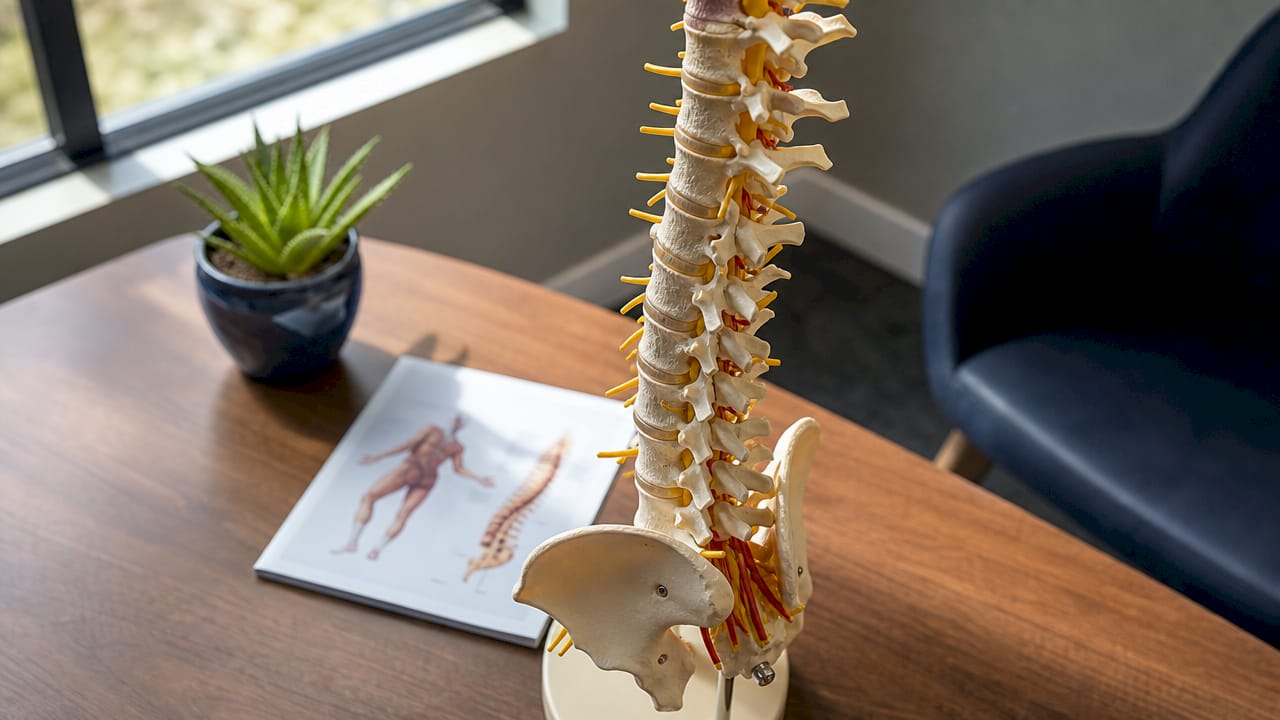
The neurological effects run deeper than joint mechanics alone. Chiropractic adjustments stimulate the release of endogenous opioids and neuropeptides that reduce pain and encourage tissue healing. That means the pain relief you feel after an adjustment is not just mechanical. It is also a neurochemical response your own body produces.
Key biomechanical and neurological effects of SMT include:
- Restored joint mobility: Adjustments free restricted spinal segments, allowing full range of motion to return.
- Improved proprioception: Mechanoreceptor stimulation sharpens the brain’s map of body position and movement.
- Pain modulation: Endogenous opioid release reduces pain signals without pharmaceutical intervention.
- Better posture and coordination: Corrected spinal kinematics support upright posture and more efficient motor patterns.
- Reduced muscle tension: Normalized joint function decreases the protective muscle guarding that causes chronic tightness.
Pro Tip: If you experience recurring muscle tightness in your neck or lower back, the root cause is often a restricted spinal joint, not the muscle itself. Addressing the joint directly produces more lasting relief than stretching or massage alone.
What does the research show about chiropractic’s effects on health?
Clinical evidence for chiropractic care has grown substantially, and the findings cover outcomes well beyond pain scores. A 2026 pragmatic clinical trial involving 750 active-duty military personnel found that adding chiropractic care to usual medical treatment produced sustained improvements in pain-related disability and sleep disturbance at 52 weeks. That is a full year of measurable benefit, which matters because most pain treatments show diminishing returns over time.
Sleep quality is a particularly telling outcome. Poor sleep impairs tissue repair, raises pain sensitivity, and reduces daytime cognitive function. The fact that chiropractic care improved sleep disturbance at 52 weeks suggests the intervention is changing underlying neurological function, not just masking symptoms.
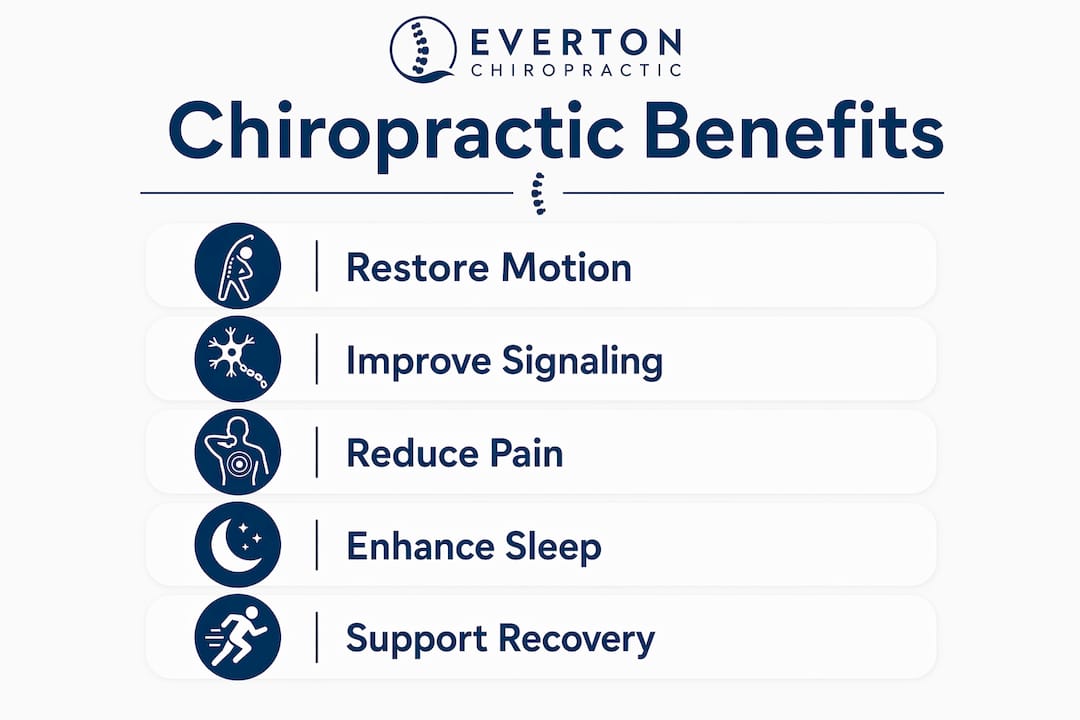
For acute pain, spinal manipulative therapy produces small to moderate effect sizes for neck and lower back pain. Those effect sizes are statistically significant and clinically meaningful for patients who want to avoid medication or surgery.
| Outcome | Evidence summary |
|---|---|
| Pain-related disability | Moderate improvement sustained at 52 weeks in clinical trial |
| Sleep disturbance | Sustained reduction at 52 weeks in 750-participant trial |
| Acute neck pain | Small to moderate effect sizes with SMT |
| Acute lower back pain | Small to moderate effect sizes with SMT |
| Physical function | Improved alongside pain reduction in multimodal care |
Individual results vary, and chiropractic care works best when integrated with other evidence-based approaches such as exercise, ergonomic adjustments, and lifestyle changes. No single intervention resolves every case, but the research consistently shows chiropractic producing real, measurable functional gains.
How does chiropractic fit into broader rehabilitation frameworks?
Chiropractic care has moved well beyond the treatment room and into formal rehabilitation frameworks. Chiropractors play key roles in multidisciplinary rehabilitation teams by addressing not just spinal impairment but also the activity limitations and participation restrictions that impairment creates. The World Health Organization’s International Classification of Functioning, Disability, and Health (ICF) provides the framework that makes this possible.
The ICF model shifts the focus from “what is wrong with the body” to “what can the person do.” A chiropractor working within this framework does not just treat a herniated disc. They assess how that disc affects your ability to walk, work, sit, and participate in daily life, then build a plan to restore those functions.
Viewing chiropractic care as a salutogenic, health-promoting intervention expands its role beyond symptom relief to enhancing systemic adaptability and resilience. Chiropractic adjustments improve heart rate variability and sleep quality through neurological pathways, reducing allostatic load and supporting the body’s capacity to self-regulate.
The salutogenic model is worth understanding. “Salutogenic” means health-generating rather than disease-treating. Applied to chiropractic, it means the goal is not just to remove pain but to build the body’s capacity to adapt, recover, and function under stress. This is why chiropractic supports longevity and healthy aging in ways that purely symptomatic treatment cannot.
Direct access to chiropractic care also matters for outcomes. Early nonpharmacological intervention with chiropractic care leads to better functional outcomes by preventing the compensatory movement patterns that develop when pain goes untreated. When you favor one side of your body to avoid pain, the other side takes on excess load, and new problems follow.
Practical ways chiropractic care improves mobility and daily function
The functional benefits of chiropractic care show up in concrete, everyday ways. Here is how the changes in spinal mechanics and nervous system function translate into real life:
- Greater joint flexibility. Adjustments free restricted segments in the spine, hips, and shoulders, allowing fuller range of motion. Patients who struggled to turn their head to check traffic often regain that movement within a few sessions.
- Reduced muscle tension and headaches. Chiropractic care improves mobility and reduces muscular tension, which is a primary driver of tension-type headaches. Correcting the cervical spine reduces the load on the muscles that attach to the base of the skull.
- Better balance and coordination. Improved proprioceptive feedback from adjusted spinal joints gives the brain more accurate information about body position. This is especially significant for older adults where balance deficits increase fall risk.
- Natural pain modulation. The neurochemical effects of SMT reduce pain without medication, which means patients can move more freely during the day and sleep more deeply at night.
- Improved posture. Corrected spinal alignment reduces the forward head posture and rounded shoulders that develop from prolonged sitting. Better posture reduces strain on the entire musculoskeletal system.
Pro Tip: Chiropractic adjustments work best when combined with targeted exercises that reinforce the corrected joint position. Ask your chiropractor for two or three specific movements to do between sessions. This accelerates results and reduces the chance of the restriction returning.
Patients recovering from surgery or sports injuries also benefit from chiropractic post-injury movement restoration. Restoring normal joint mechanics early in recovery prevents the compensatory patterns that often become the source of chronic pain long after the original injury has healed.
Key Takeaways
Chiropractic care improves body function by restoring spinal joint mobility, enhancing nervous system signaling, and producing measurable gains in pain, sleep, and physical capacity that are sustained over time.
| Point | Details |
|---|---|
| Spinal mechanics drive function | Restricted spinal joints disrupt proprioception, posture, and motor control throughout the body. |
| Neurochemical effects are real | SMT triggers endogenous opioid release, reducing pain through the body’s own pathways. |
| Research supports long-term gains | A 750-participant trial showed sustained improvements in disability and sleep at 52 weeks. |
| ICF framework expands scope | Chiropractors address activity and participation limits, not just spinal symptoms. |
| Early access prevents chronic patterns | Timely chiropractic intervention stops compensatory dysfunction before it becomes a second problem. |
Why I think most people underestimate what chiropractic actually does
Most patients walk into a chiropractic clinic expecting back pain relief. That is a reasonable expectation, and chiropractic delivers it. But the bigger story is what happens to the nervous system, and that part rarely gets explained clearly.
The spine is not just a structural column. It is the primary conduit for neurological communication between the brain and every organ, muscle, and tissue in the body. When spinal joints are restricted, that communication degrades. Patients notice it as pain or stiffness, but the underlying problem is a nervous system that is working harder than it should to manage a body that is out of alignment.
What I find most compelling about the research is the sleep data. Sleep improvement at 52 weeks tells you the intervention is changing something fundamental, not just providing temporary relief. That kind of sustained change is what separates a genuine functional improvement from a short-term fix.
The salutogenic framing also matters more than most people realize. Chiropractic care is not just about removing what is wrong. It is about building the body’s capacity to handle stress, recover from injury, and maintain function as you age. That is a different goal than most healthcare visits, and it is one worth pursuing deliberately.
If you are dealing with pain, stiffness, or reduced mobility, do not wait for it to become a chronic problem. The evidence is clear that earlier intervention produces better outcomes. Chiropractic is not a last resort. For many people, it should be the first call.
— Aman
Evertonchiropractic’s approach to restoring your body’s function
Evertonchiropractic, led by Dr. Richard, takes a direct and evidence-informed approach to spinal alignment and nervous system function. The clinic does not treat symptoms in isolation. Every patient receives a plan built around their specific movement limitations, lifestyle, and long-term goals.

Whether you are managing lower back pain, recovering from an injury, or noticing that your posture and mobility have declined, Evertonchiropractic offers spinal adjustment treatments grounded in current clinical evidence. Dr. Richard’s approach challenges the idea that physical decline is inevitable with age. The clinic’s focus on spinal alignment treatment gives patients a clear path to moving better and living more fully, without relying on medication or waiting for problems to worsen.
FAQ
What does chiropractic care actually do to the body?
Chiropractic care restores motion to restricted spinal joints, which improves proprioception, reduces muscle tension, and triggers neurochemical responses that modulate pain. These changes improve posture, coordination, and overall physical function.
How long does it take to see results from chiropractic adjustments?
Many patients notice improved mobility and reduced pain within the first few sessions, but clinical research shows sustained functional benefits, including sleep quality and disability reduction, at 52 weeks with ongoing care.
Is chiropractic care safe for people with chronic pain or physical limitations?
Chiropractic care is considered a safe, nonpharmacological intervention for acute and chronic musculoskeletal pain. Chiropractors assess each patient individually and adapt techniques to match their condition and tolerance.
Can chiropractic care improve more than just back pain?
Yes. Research shows chiropractic adjustments improve sleep quality, reduce headaches, enhance balance, and support recovery from sports injuries and post-surgical rehabilitation by addressing the nervous system and musculoskeletal function together.
Does chiropractic care work alongside other medical treatments?
Chiropractic care integrates well with conventional medical treatment. A 2026 clinical trial found that adding chiropractic to standard care produced better outcomes for pain-related disability and sleep than standard care alone.