
Introduction
Most Singaporeans only seek chiropractic care after neck pain or back pain has already disrupted their daily lives. By that point, spinal misalignments have often progressed from minor mechanical issues into chronic pain conditions that require extensive treatment. Proactive spinal maintenance flips this approach entirely-addressing the root causes of dysfunction before they ever produce symptoms.
This guide covers the full scope of preventive chiropractic care: what it involves, the clinical evidence supporting it, how to implement it within a busy Singapore lifestyle, and the long term benefits for your spine and nervous system. It is written for working professionals navigating desk-bound careers, active individuals looking to preserve their range of motion, and aging adults in Singapore who want to maintain mobility and quality of life as they get older. Topics outside the musculoskeletal domain-such as claims about preventing non-musculoskeletal diseases-fall outside what current evidence supports and are not covered here.
The direct answer: Proactive spinal maintenance through regular chiropractic adjustments prevents chronic pain by identifying and correcting misalignments before they develop into serious, persistent conditions. Maintaining spinal alignment reduces the risk of chronic pain, preserves nervous system function, and keeps you moving well throughout every stage of life.
By the end of this article, you will understand:
-
Why preventive chiropractic care is more effective and affordable than waiting for pain to appear
-
The specific ways Singapore’s urban lifestyle accelerates spinal health issues
-
What clinical research says about the benefits of regular chiropractic visits for long term spinal health
-
Optimal visit frequency recommendations based on your lifestyle and health goals
-
Actionable steps to begin a proactive approach to maintaining optimal health
Understanding Proactive Spinal Maintenance
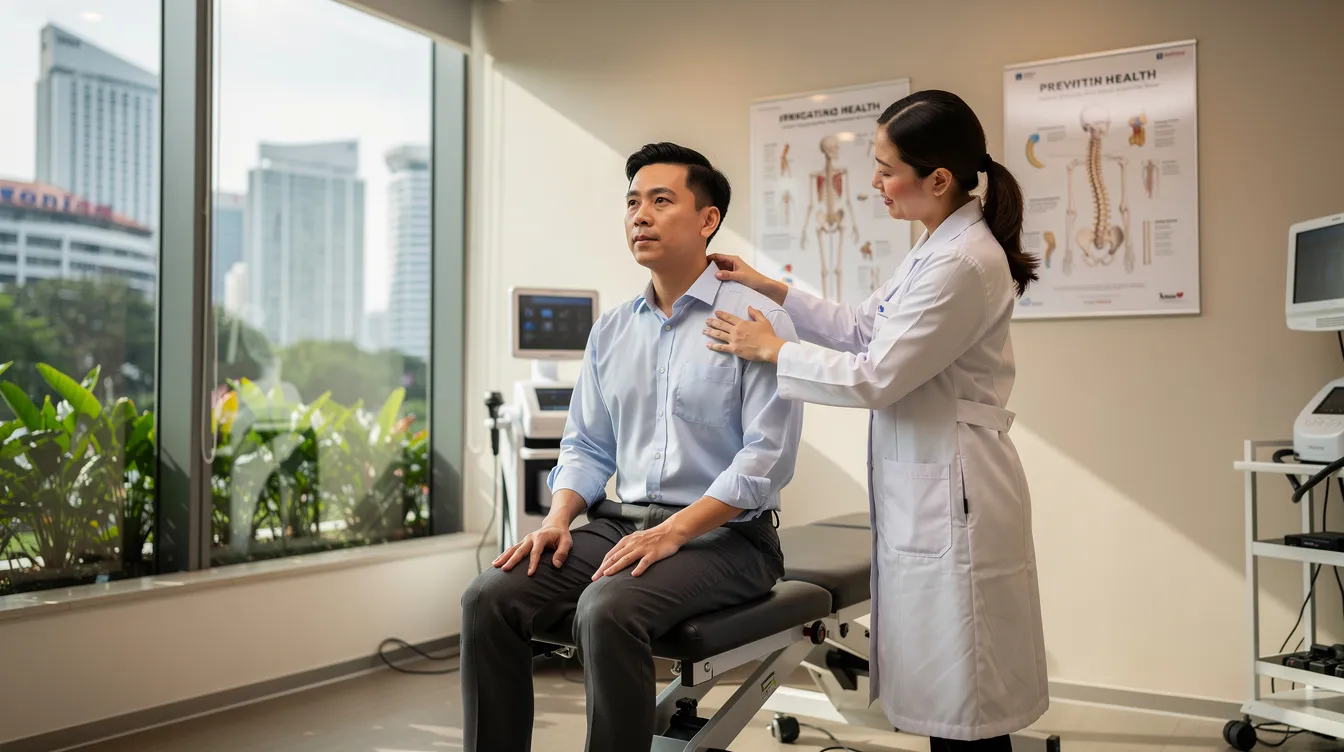
Proactive spinal maintenance is the practice of receiving regular chiropractic care focused on preserving good spinal health and preventing dysfunction-rather than waiting until pain forces you through the clinic door. It encompasses periodic spinal assessments, gentle chiropractic adjustments, soft tissue work, and lifestyle advice on posture and ergonomics that supports long term spinal health. In clinical literature, this is often called maintenance chiropractic care (MC), defined as ongoing care for patients who have responded well to initial treatment, with the goal of preventing recurrence and maintaining physical function.
For Singapore’s increasingly desk-bound workforce and rapidly aging population, this proactive approach is particularly relevant. Low back pain alone accounts for approximately 9.5% of total Years Lived with Disability (YLDs) in Singapore, with the burden concentrated in working-age adults (15–49 years) and those approaching retirement (50–69 years). Meanwhile, 8.7% of adult Singaporeans report chronic pain lasting three months or longer-a figure that rises steeply in those over 65.
The Difference Between Reactive and Proactive Care
Reactive care is the conventional model: you experience pain, lose mobility, or notice something is wrong, and then you seek chiropractic treatment. This approach addresses symptoms—often effectively to relieve pain—but it means the underlying spinal misalignments, muscular imbalances, and postural dysfunction have already been accumulating for months or years. By the time chronic discomfort sets in, structural changes such as intervertebral disc compression, altered spinal curvature, and nerve irritation may already be well established. Regular chiropractic care reduces chronic pain by addressing root causes, but the process is longer and more complex when dysfunction has progressed.
Preventive chiropractic care, by contrast, targets these root causes before symptoms develop. Regular adjustments prevent minor misalignments from evolving into chronic pain. Instead of responding to damage, proactive care stabilizes proper spinal alignment, optimizes nervous system function, and preempts the structural strain that accumulates from daily life. Early detection of spinal misalignments can prevent severe conditions entirely.
It helps to understand the three levels of prevention:
-
Primary prevention – care before any symptoms appear, aimed at stopping problems from developing in the first place
-
Secondary prevention – intervention after early or mild symptoms to prevent worsening or recurrence
-
Tertiary prevention – ongoing management after a chronic condition has been established, preventing further decline
Most maintenance chiropractic care research focuses on secondary and tertiary prevention. A systematic review on chiropractic maintenance care defines MC as secondary/tertiary prevention applied to patients with recurrent or persistent low back or neck pain who initially responded well to treatment.
How Daily Life in Singapore Affects Spinal Health
Singapore’s urban environment creates a unique combination of risk factors that accelerate spinal dysfunction:
-
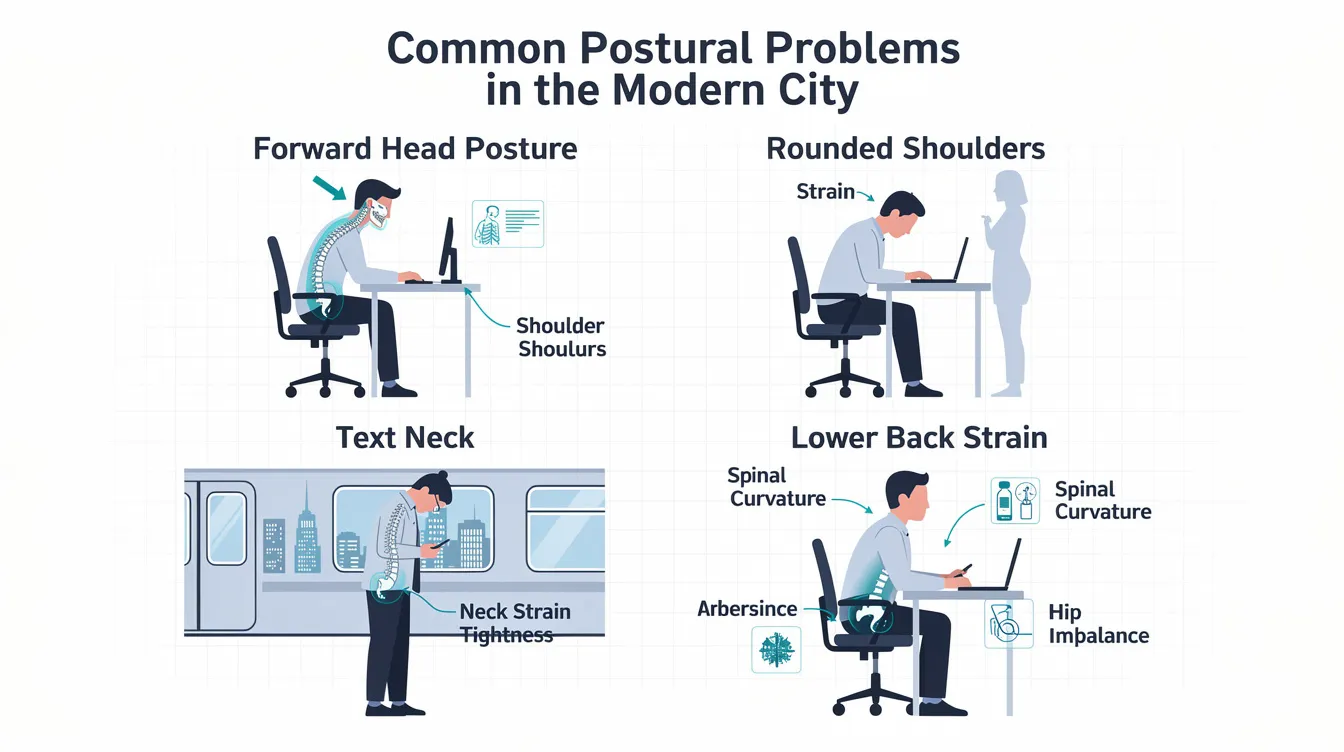
Prolonged desk work: Hours of seated posture with monitor height mismatches and inadequate lumbar support promote forward head posture, loss of lumbar lordosis, and thoracic kyphosis
-
Long commutes: Crowded MRT trains and buses force awkward standing and sitting postures, loading the spine asymmetrically
-
Smartphone use: The “text neck” phenomenon places the cervical spine under sustained flexion stress, contributing to muscle tension and neck pain
-
Humid climate: Singapore’s humidity may increase muscular tension and exacerbate discomfort, particularly in those already experiencing stiffness
These factors promote gradual, often invisible structural changes: compressed intervertebral discs, rounded shoulders, forward head carriage, and progressive muscular imbalances. Work-induced musculoskeletal disorder reports in Singapore average approximately 338 per year, with back injuries constituting roughly 91% of reported cases. Poor posture accumulated over years of desk work is a significant contributor.
Understanding how these daily stressors compound explains why early intervention-before chronic conditions develop-is so critical for anyone living and working in Singapore.
The Compelling Benefits of Preventive Chiropractic Care
With a clear understanding of how daily life degrades spinal health, the next question is: what specific advantages does starting care before pain develops actually deliver? The benefits of regular chiropractic span nervous system optimization, physical performance, and meaningful financial savings.
Enhanced Nervous System Function and Overall Wellness
Proper spinal alignment enhances overall health and wellness because the spinal cord houses the central nervous system-the body’s master communication network. Spinal misalignments can disrupt nerve communication, potentially affecting everything from organ function to stress response and immune regulation. Spinal alignment supports optimal nervous system function, and regular chiropractic adjustments work to maintain this alignment.
The clinical evidence is increasingly compelling. A 12-week randomized controlled trial, published in Manipulative and Physiological Therapeutics, demonstrated that chiropractic spinal adjustments modulated biomarkers related to stress, inflammation, and neuroplasticity-including increases in brain-derived neurotrophic factor (BDNF) and shifts in immune markers (CD4/CD8 counts), along with decreased tumour necrosis factor-alpha. Chiropractic care enhances immune function by optimizing nervous system communication.
Beyond biomarkers, neurophysiological research using EEG has found that chiropractic care produces measurable changes in the primary sensory cortex, motor cortex, prefrontal cortex, and cerebellum. Patients in this study reported improvements in sleep quality, plus reductions in anxiety, depression, and fatigue. Patients report better sleep quality after regular chiropractic adjustments-a benefit that compounds across overall well being and mental health.
It is important to note that systematic reviews on preventive effects beyond musculoskeletal disease have found no evidence that chiropractic prevents non-musculoskeletal disorders in a primary prevention sense. The wellness benefits appear to be mediated through the spine and nervous system connection, improved physical function, and stress reduction.
Maintained Mobility and Active Lifestyle Support
Maintaining flexibility and mobility is essential for spinal health-and preventive care is designed to preserve both before decline begins. Chiropractic adjustments improve joint mobility and flexibility over time, while chiropractic care reduces stiffness and enhances flexibility across the entire kinetic chain.
For Singapore’s active population-runners, gym-goers, weekend hikers-this translates directly into performance support and injury prevention. Regular adjustments can improve range of motion by 20%, and chiropractic care helps maintain joint flexibility as you age. For older adults, the benefits extend to safety: regular chiropractic visits lower the risk of falls in older adults, while chiropractic adjustments enhance balance and coordination.
Chiropractic care reduces strain on muscles and ligaments, supporting an active lifestyle without the gradual accumulation of compensatory patterns that lead to future spinal problems. This is particularly relevant for aging Singaporeans: as the population grows older, improved mobility and joint function become critical components of lifelong health and independence.
Long-term Cost Savings and Quality of Life
The economic argument for preventive chiropractic care is substantial. A systematic review comparing costs of chiropractic versus medical management of spine-related musculoskeletal pain found that patients who initially saw chiropractors had significantly fewer downstream services-fewer surgeries, hospitalizations, specialist referrals, and opioid prescriptions-with overall lower healthcare costs.
Research published in JAMA Internal Medicine examining a large health plan population (over 700,000 individuals with chiropractic coverage) found that back pain episode-related costs averaged $289 for those with chiropractic benefit versus $399 for those without. Regular chiropractic care reduces dependence on pain medications and regular chiropractic visits can reduce reliance on pain medications-removing the costs and side effects of pharmaceutical management.
However, the evidence is nuanced. Some economic evaluations have found mixed results when comparing chiropractic care to medical or physical therapy care, depending on whether costs are measured from the payer or societal perspective, the time horizon studied, and methodological rigor. Cost-effectiveness for purely preventive use (no current symptoms) is less well-documented; most savings data comes from patients who began care while experiencing pain.
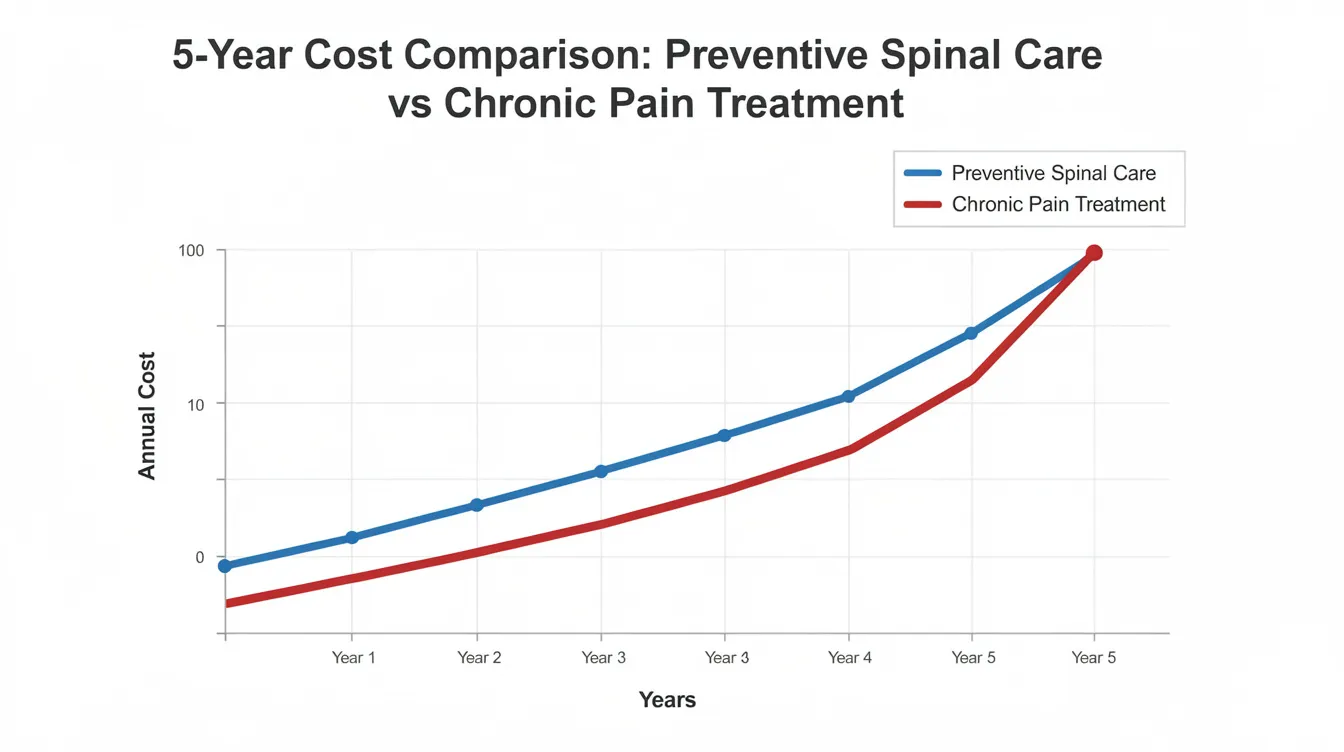
Still, the logic is clear: proactive spinal maintenance is crucial for preventing chronic pain, and preventing a condition is almost always less expensive than treating one. Maintenance chiropractic care aims to reduce recurrences of pain, and reduced pain episodes mean fewer missed workdays, lower treatment costs, and better overall quality of life.
Implementing Your Preventive Care Strategy
Knowing the benefits is one thing-putting consistent care into practice requires a clear framework adapted to your specific situation.
Optimal Visit Frequency for Different Lifestyles
Visit frequency for preventive chiropractic care depends on your baseline health, occupational demands, activity level, stress levels, and health goals. Research and clinical guidelines provide useful benchmarks:
U.S. best practice guidelines for ongoing management of persistent low back pain recommend intervals of 1 to 4 visits per month, with most cases needing 1–2 visits monthly. Observational data from chiropractic patients with chronic low back and/or neck pain shows an average visit frequency of approximately 2.3 visits per month during active care, tapering once maximum therapeutic improvement is reached.
For maintenance chiropractic care-the truly preventive phase-visit spacing is typically wider. In Scandinavian chiropractic clinics, about 30% of patients use maintenance care, with a mean visit interval of approximately 9 weeks and a mode of about 3 months between visits.
Here is how these recommendations translate into practical schedules for Singapore residents:
-
Monthly visits (every 4–6 weeks) – General wellness maintenance for healthy adults with desk-based jobs and moderate activity levels. Maintains proper alignment, supports spinal health, and provides regular assessment
-
Bi-weekly visits (every 2–3 weeks) – Recommended for high-stress professionals, very active individuals, or those with a history of recurrent pain. Manages accumulated muscle tension and supports better posture
-
Weekly visits – Appropriate for high-risk occupations, intensive athletic training periods, or initial corrective phases before transitioning to maintenance
-
Customized schedules – Aging adults, those with specific chronic conditions, or individuals with particular health goals benefit from individualized frequency based on clinical assessment
Preventative chiropractic care helps maintain spinal alignment before symptoms appear, and the right schedule ensures consistent care without unnecessary visits.
What to Expect During Preventive Care Visits
A typical preventive care session at a chiropractic clinic includes several integrated components:
-
Spinal assessment: Evaluation of spinal alignment, posture, range of motion, and functional movement patterns to identify early dysfunction
-
Chiropractic adjustments: Gentle, targeted spinal adjustments to correct misalignments and restore proper alignment. Chiropractic adjustments can alleviate chronic pain symptoms effectively, and in a preventive context, they address issues before pain develops
-
Soft tissue work: Addressing muscle tension, trigger points, and fascial restrictions that accompany postural dysfunction
-
Lifestyle guidance: Personalized advice on posture correction, workplace ergonomics, movement habits, exercise prescription, and stress reduction strategies
-
Progress monitoring: Re-evaluation every several visits to ensure the care plan remains appropriate and to document maintained improvements
Posture correction prevents chronic pain and discomfort, and improved posture can enhance lung capacity and digestion-benefits that extend well beyond the spine itself. Regular chiropractic adjustments improve posture significantly, particularly when combined with consistent attention to daily habits between visits.
Choosing the Right Preventive Care Schedule
|
Visit Frequency |
Best For |
Key Benefits |
|---|---|---|
|
Monthly (every 4–6 weeks) |
General wellness, desk workers |
Maintains alignment, prevents accumulation of spinal problems |
|
Bi-weekly (every 2–3 weeks) |
Active professionals, high-stress roles |
Manages muscle tension, supports performance, stress reduction |
|
Weekly |
High-risk activities, corrective phase |
Intensive support, rapid correction, injury prevention |
|
Quarterly (every 3 months) |
Well-maintained patients with minimal risk |
Cost-effective monitoring, early detection of changes |
The determinants for choosing your frequency include: severity of any baseline dysfunction, recurrence history, job physical demands, stress levels, prior response to care, and your personal health goals. Chiropractic care may provide small improvements in pain and function with each visit, but consistent chiropractic care compounds these gains into substantial long term health benefits.
Patients report a 30% reduction in low back pain with regular chiropractic care, and regular chiropractic visits may reduce the frequency of pain flare-ups-making the investment in scheduled visits directly measurable.

Common Barriers and Practical Solutions
Despite compelling evidence, several concerns prevent Singaporeans from starting preventive chiropractic care. Each has a practical solution.
Time Constraints in Busy Singapore Lifestyle
Solution: Preventive visits are typically shorter than treatment sessions for acute conditions-often 20–30 minutes once a maintenance routine is established. Strategic scheduling during lunch breaks or before/after work makes consistent care manageable. Clinics in central locations (like Everton Chiropractic, situated near the CBD) minimize travel time. The key is recognizing that a brief monthly visit to support spinal health saves far more time than weeks of intensive treatment for chronic pain later.
Cost Concerns and Insurance Coverage
Solution: Compare the investment in regular chiropractic visits against the cost of chronic pain treatment: medication, specialist consultations, potential surgery, and lost productivity. Research consistently shows lower total healthcare costs for patients who access chiropractic care early. Routine maintenance may help manage chronic musculoskeletal conditions at a fraction of the cost of reactive treatment.
In Singapore, chiropractic is not covered under the standard public healthcare framework, and approximately 150 chiropractors practice across roughly 90 establishments. Some private insurance plans include chiropractic benefits-it is worth checking your policy. As cost-effectiveness data continues to accumulate, industry observers expect insurers to expand coverage for preventive maintenance, particularly for high-risk occupational groups.
Skepticism About Care Without Symptoms
Solution: This is perhaps the most important barrier to address. Poor spinal health often produces no pain in its early stages. Spinal misalignments, reduced joint mobility, and postural dysfunction can progress silently for years before symptoms appear. By the time you feel neck pain or chronic discomfort, the underlying dysfunction is already well-established.
The evidence base for preventive chiropractic care is growing. The 2026 Cochrane Review on spinal manipulative therapy for chronic low back pain found high-quality evidence that SMT moderately improves function and slightly reduces pain compared to no treatment, with no serious adverse effects reported-only minor temporary soreness. Chiropractic interventions are safe, evidence-based, and increasingly recognized by healthcare professionals as a legitimate component of a holistic approach to musculoskeletal health.
Preventative chiropractic care enhances overall wellness and mobility, and chiropractic care can prevent chronic pain by addressing misalignments early-before you ever feel them. Regular chiropractic adjustments can reduce the risk of future spinal problems, making the case for care even in the absence of current symptoms.
It is also worth noting that chiropractic in Singapore is not statutorily regulated under the Private Hospital and Medical Clinic Act, so verifying your chiropractor’s credentials, training, and professional association membership is essential. Self-regulation through professional associations is encouraged, and choosing a practitioner committed to evidence-based practice ensures you receive chiropractic treatment grounded in current research.
Conclusion and Next Steps
Proactive spinal maintenance represents a fundamental shift in how we think about spinal health-from damage control to genuine prevention. The evidence is clear: maintaining spinal alignment through regular chiropractic adjustments preserves nervous system function, supports an active lifestyle, reduces healthcare costs, and protects your quality of life for decades. Chiropractic care enhances overall spinal health and function, and the long term benefits of consistent care far outweigh the modest investment of time and resources.
Proactive spinal maintenance is crucial for preventing chronic pain. You do not need to wait until your back gives out or neck pain becomes unbearable to seek chiropractic care. In fact, waiting is exactly what turns manageable dysfunction into chronic conditions.
Your immediate next steps:
-
Schedule an initial spinal health assessment at Everton Chiropractic to establish your baseline spinal alignment, posture, and functional capacity
-
Evaluate your current lifestyle factors – desk setup, commute posture, smartphone habits, exercise routine – and identify the biggest contributors to spinal stress
-
Develop a personalized preventive care schedule with your chiropractor based on your individual needs, occupation, and health goals
-
Implement daily habits to improve spinal health between visits: correct posture at your workstation, regular movement breaks, targeted stretching, and stress management practices
For related guidance, explore topics such as ergonomic workplace optimization, exercise recommendations for maintaining a healthy spine, and stress reduction techniques that complement your preventive chiropractic care. Together, these elements form a comprehensive, holistic approach to lifelong health-keeping your body’s ability to function, move, and thrive at its best.