What spinal alignment actually does for your performance
Proper spinal alignment gives athletes a direct edge in performance, injury prevention, and recovery. The spine isn’t just structural support. It’s the primary channel for nervous system communication, and even subtle misalignment can disrupt muscle coordination, slow reaction time, and reduce power output before you feel a single twinge of pain. Here’s what staying aligned actually delivers:
- Fewer injuries through balanced biomechanics that prevent compensatory strain
- Better balance and coordination from optimized nerve signal flow
- Greater strength and power via efficient force transfer through the kinetic chain
- Faster recovery supported by improved circulation and reduced inflammation
- Longer career longevity by protecting joints and soft tissue from cumulative wear
These aren’t abstract benefits. They show up in training sessions, competition days, and how your body holds up over a full season.
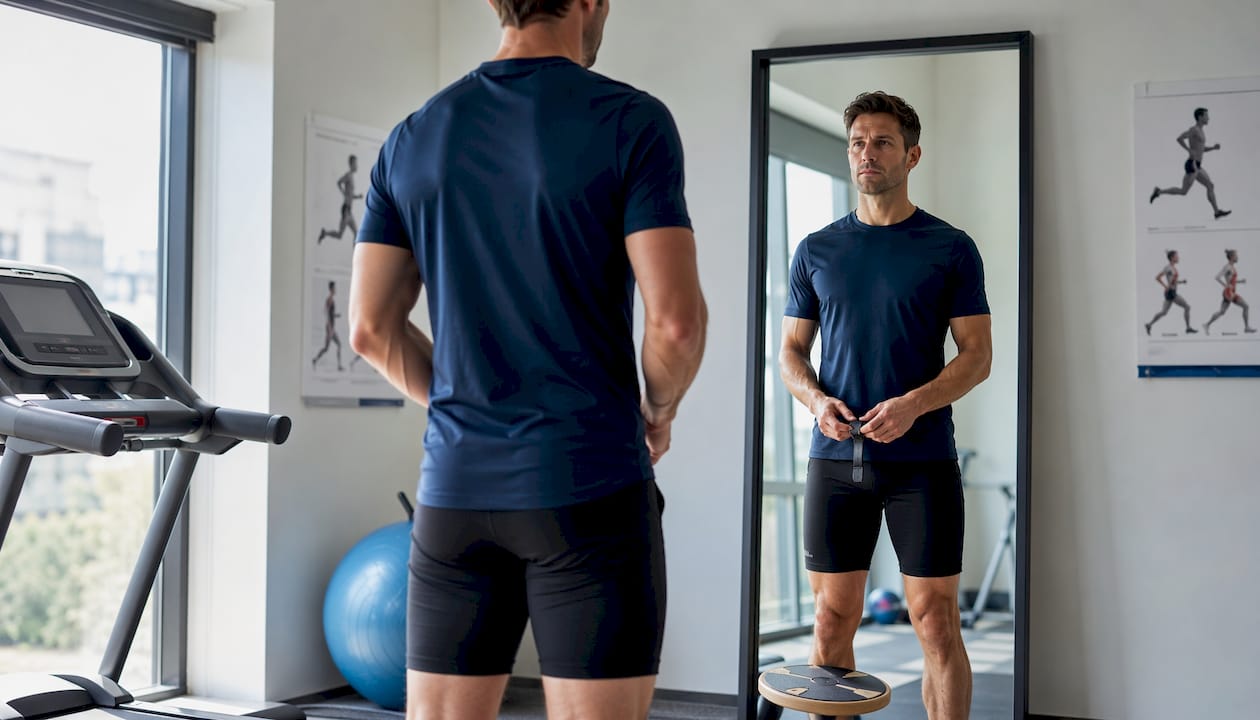
How proper spinal alignment supports athletic performance
The spine functions as the body’s central communication highway. When vertebrae sit in proper alignment, nerve signals travel clearly from the brain to muscles, producing faster reaction times and more precise movement patterns. Misalignment compresses or irritates nerve pathways, and the result is degraded coordination well before pain appears.
Beyond neurology, alignment shapes biomechanics in ways that directly affect sport-specific technique:
- Posture and technique: A well-aligned spine holds the trunk upright under load, which keeps joints stacked correctly during running, lifting, or throwing.
- Balanced muscle engagement: When the spine is neutral, no single muscle group overworks to compensate for a structural imbalance elsewhere.
- Joint mobility: Proper segmental alignment allows full range of motion at the hips, shoulders, and thoracic spine, where most athletic power originates.
- Force transfer: The spine acts like a spring. Stiff or misaligned segments leak energy through the movement chain, reducing explosive output.
Spinal health for athletes goes beyond pain management. It’s neurological optimization that directly supports coordination and power output.
Common signs your spine is affecting your game
Misalignment rarely announces itself with obvious back pain, especially in conditioned athletes. The symptoms tend to show up elsewhere first:
- Unexplained fatigue during training that doesn’t resolve with rest
- Recurring ankle, knee, or hip injuries with no clear mechanism
- Decreased coordination or a feeling of being “off” during familiar movements
- Stiffness in the thoracic spine or reduced trunk rotation
- One side of the body working harder than the other during bilateral exercises
The underlying cause is compensatory overload. When one spinal segment is restricted, adjacent joints take on extra stress. Misalignment forces hips, knees, and feet to absorb load they weren’t designed to handle, which is why overuse injuries often appear at a distance from the actual spinal problem. Recognizing these patterns early is what separates athletes who manage their careers well from those who cycle through the same injuries.
How spinal health speeds recovery and prevents injuries
Recovery isn’t just about rest. It’s about how efficiently your body clears inflammation, restores tissue, and resets movement patterns. A well-aligned spine supports all three.
- Improved circulation: Proper alignment reduces mechanical compression on blood vessels and lymphatic pathways, allowing nutrients and oxygen to reach damaged tissue faster.
- Reduced inflammation: Nerve irritation from misalignment triggers localized inflammatory responses. Correcting alignment removes that ongoing stimulus.
- Balanced biomechanics: When the spine is neutral, no single structure absorbs disproportionate load during training, which cuts the risk of stress fractures, tendinopathies, and ligament strain.
- Reduced compensatory movement: Athletes with good spinal mobility don’t unconsciously shift load to protect a restricted segment, which means cleaner movement patterns and less cumulative wear.
Core stability also plays a direct role here. Yoga and Pilates-based core training offloads pressure from the lumbar spine, protecting it during high-intensity activity and accelerating return to full training after minor injuries.
Pro Tip: Resistance training, not just stretching, builds the spinal resilience that actually prevents injury. Weight-bearing exercises load the vertebrae and surrounding musculature in ways that passive flexibility work cannot replicate.
What sports therapy and chiropractic experts say
The clinical picture on spinal alignment and athletic performance is nuanced, and the best practitioners are clear about what the evidence actually shows.
Research backs the functional case for targeted spinal work. A six-week program of thoracic spine exercises integrated into routine soccer training improved spinal mobility, thoracic rotation, and segmental spine function in professional players. Trunk rotation is foundational in soccer, tennis, baseball, and swimming, so those gains translate directly to sport-specific output.
Lumbar spinal manipulative therapy (SMT) has also shown measurable effects on static symmetry. One study found SMT reduced bilateral asymmetry in static standing from 16.3% to 3.7% immediately after treatment, though dynamic movement symmetry showed less change. Evidence-informed practitioners recommend core-supported mobility work over aggressive passive stretching, particularly for the lumbar spine under athletic load.
What the research shows about spinal alignment and sport
The scientific case for chiropractic care for athletes has grown considerably, though the evidence is most convincing for specific outcomes rather than broad performance claims.
A systematic review published in a peer-reviewed journal found that spinal manipulation produced some improvements in muscle activation and sport-specific accuracy, including basketball free throw performance, though overall performance metric changes were modest. The neurophysiological effects on joint proprioception and muscle activation are real; the direct translation to competition outcomes depends heavily on the athlete and the sport.
The more consistent finding across studies is that long-term, integrated thoracic spine training outperforms one-off adjustments for functional gains. Static alignment improvements don’t automatically carry over to dynamic performance. Athletes who incorporate regular spinal-focused sessions over 10–20 weeks show greater improvements in functional rotation and dynamic spinal parameters than those who rely on occasional treatment alone.
The practical takeaway: spinal care works best when it’s built into training, not reserved for when something hurts.
Evertonchiropractic supports athletes who train seriously
Athletes who understand the performance case for spinal health need a practitioner who matches that standard. Evertonchiropractic, led by Dr. Richard, brings an evidence-informed approach that goes beyond pain relief to address the movement quality and nervous system function that actually determine athletic output.

The clinic’s personalized care model means your treatment plan reflects your sport, your training load, and your specific movement patterns, not a generic protocol. Whether you’re managing a recurring injury, working on sports injury prevention, or looking to maintain the spinal health that keeps you competing at your best, Evertonchiropractic builds a strategy around your goals. For athletes dealing with nerve-related symptoms, the clinic’s nerve pain relief approach targets the structural cause rather than masking symptoms. Book a consultation to find out what your spine is actually costing your performance.
Key Takeaways
Proper spinal alignment improves athletic performance by optimizing nervous system function, balancing biomechanics, accelerating recovery, and reducing injury risk across the full training career.
| Point | Details |
|---|---|
| Nervous system function | Spinal alignment clears nerve pathways, improving muscle coordination and reaction time before pain appears. |
| Injury prevention | Misalignment forces hips, knees, and feet to compensate, causing overuse injuries distant from the spine. |
| SMT and symmetry | Lumbar SMT reduced bilateral standing asymmetry from 16.3% to 3.7% immediately post-treatment in one study, though dynamic movement symmetry showed less change. |
| Long-term training beats one-off fixes | Athletes who train thoracic spine function over 10–20 weeks gain more than those relying on occasional adjustments. |
| Evertonchiropractic | Dr. Richard’s evidence-informed, personalized approach addresses spinal health as a performance and longevity strategy for athletes. |
FAQ
Should athletes get chiropractic adjustments?
Yes. Chiropractic care helps athletes by improving spinal alignment, reducing nerve interference, and correcting biomechanical imbalances that contribute to injury and reduced performance. Evidence supports its use as part of an integrated training and recovery program.
What are the main benefits of spinal alignment for athletes?
Proper spinal alignment improves nervous system communication, balance, strength, and recovery speed while reducing the risk of overuse injuries caused by compensatory movement patterns.
How does the spine affect athletic performance?
The spine is the primary channel for nerve signals between the brain and muscles. Misalignment disrupts this communication, degrading coordination, reaction time, and power output, often before any pain is felt.
Does running help with spine alignment?
Running alone does not correct spinal misalignment and can worsen it if compensatory patterns are already present. Targeted spinal exercises, core stability work, and chiropractic care are more direct approaches to improving alignment.
How long does it take to see results from spinal alignment work?
Research on thoracic spine training programs shows meaningful functional improvements over 10–20 weeks of consistent, integrated work. Single-session adjustments can produce immediate changes in static symmetry but have less impact on dynamic performance without ongoing care.