
Introduction
A customized chiropractic care plan built around your body, lifestyle, and health goals will consistently outperform a generic protocol that treats every patient the same way. In Singapore, where 23% of adults report neck pain within any six-month period and many Singaporeans experience chronic pain due to sedentary lifestyles and desk work, the distinction between personalised and cookie-cutter chiropractic care is not academic – it directly affects how quickly you recover, how much you spend, and whether your pain returns.
This article covers what separates a personalized chiropractic care plan from standardised treatment, why tailored approaches produce better outcomes for conditions like neck pain, back pain, sciatica, and scoliosis, and how comprehensive assessments create the foundation for effective treatment in Singapore’s unique urban environment. We also address the common concerns Singapore patients raise about time, cost, and scheduling when seeking chiropractic care.
Tailored chiropractic plans work best because they address individual body mechanics, lifestyle factors, and specific health goals rather than applying generic treatments that ignore root causes and often do less to relieve pain. Chiropractors assess lifestyle and previous injuries for personalized plans, then adapt treatment techniques, session frequency, and rehabilitation exercises to each person’s needs – producing faster pain relief and long term health benefits.
Here is what you will gain from this article:
-
A clear understanding of why cookie-cutter chiropractic approaches fail many Singapore patients
-
Evidence-based reasons personalised care delivers superior pain management and improved mobility
-
Insight into how a comprehensive initial assessment shapes an effective treatment plan
-
Practical solutions for common concerns about time, cost, and fitting care into a busy schedule
-
Knowledge of how ongoing reassessment keeps your care plan effective as your condition evolves

Understanding Cookie-Cutter vs Personalised Chiropractic Care Approaches
Before examining why customized treatment plans produce better results, it is important to understand what each approach actually involves and where standard approaches fall short for Singapore’s diverse population.
The Cookie-Cutter Approach
Cookie-cutter chiropractic care refers to standardised treatment protocols applied uniformly regardless of individual differences. Standard approaches apply generic adjustments to all patients – the same spinal manipulation technique, the same number of sessions, the same stretching recommendations – whether the patient is a 28-year-old software developer with acute neck pain or a 55-year-old retail manager with chronic sciatica.
These generic protocols often emerge from high-volume clinic models where efficiency is prioritised over thoroughness. A patient with low back pain receives the same adjustment as every other low back pain patient, without assessment of movement patterns, occupational demands, past injuries, or comorbidities. The treatment may provide temporary relief, but it rarely addresses why the problem developed in the first place.
In Singapore’s context, this approach is particularly inadequate. A 2010–2011 study at Changi General Hospital found that 84% of neck pain patients presented with slouched sitting posture, 69% had chronic rather than acute pain, and 70% had non-traumatic onset – meaning their pain developed from sustained lifestyle habits rather than a single injury event. Treating these patients identically to someone with traumatic neck pain ignores the fundamental cause of their problem.
The Personalised Care Model
Personalised chiropractic care involves an individualized framework: detailed health history review, objective physical examination including posture analysis and neurological testing, movement assessment, and a thorough evaluation of occupational and psychosocial stressors, with these findings used to create personalized care plans. Chiropractic care in Singapore emphasizes individual assessments rather than generic treatments, reflecting the varied demands that the city-state’s work culture places on musculoskeletal health.
Customized care involves comprehensive evaluations like postural analysis and digital X-rays. Treatment techniques – whether chiropractic adjustments, soft tissue therapy, trigger point therapy, or rehabilitative exercises – are selected based on what each patient’s body actually needs. A personalized plan considers Singapore-specific factors such as long hours at desks in air-conditioned offices, crowded MRT commutes with heavy bags, and cultural practices like cross-legged sitting that affect spinal alignment.
The connection between individual body mechanics and treatment effectiveness is straightforward: each person’s spinal curvature, joint mobility, muscle structure, and prior injury history determine which techniques are safe, which are effective, and which would be a waste of time. Customized chiropractic care plans reflect individual health goals, whether that means returning to sport, managing chronic conditions, or simply being able to work without pain.
This foundation – understanding what makes you different from every other patient – is what allows a qualified chiropractor to build a care plan that actually works. Let’s examine the specific advantages this approach delivers.
Why Tailored Chiropractic Plans Deliver Superior Results
The evidence supporting personalised care over generic protocols is substantial. A systematic review of 43 studies found that chiropractic care involving tailored exercises, self-management advice, and multiple modalities generates consistently higher patient satisfaction compared to standardised medical care, home exercise alone, or medication. Personalized care improves treatment effectiveness and patient satisfaction across virtually every outcome measured.
Addresses Root Causes, Not Just Symptoms
The most significant advantage of customized plans is their focus on identifying and treating root causes rather than just the symptoms. Chiropractic adjustments target underlying misalignments causing discomfort, but a personalised approach goes further – investigating why those misalignments developed.
For Singapore professionals, the contributing factors are often interconnected. Long commutes create sustained spinal compression. Air-conditioned offices cause muscle stiffness and dehydration. Work stress produces tension patterns in the neck and shoulders. Prolonged sitting weakens core stabilisers while tightening hip flexors. These lifestyle factors compound to create spinal issues that no single generic adjustment can resolve.
Chiropractors focus on these underlying mechanisms because treating symptoms only leads to temporary relief. Proper spinal alignment enhances nervous system function, and when misalignments are corrected along with the habits causing them, patients experience lasting pain relief rather than a cycle of recurring discomfort. A well-aligned spine improves blood flow and lowers inflammation, supporting the body’s ability to heal itself. Chiropractic care prevents minor misalignments from becoming serious issues when root causes are identified early.
Why does this matter practically? A Cochrane review published in January 2026, covering 76 studies with 11,866 participants, found that spinal manipulative therapy may reduce pain and improve function compared to sham treatment – but the evidence for long-term efficacy was limited unless treatment was tailored and combined with other interventions. Generic adjustments alone are not enough for sustained results.
Adapts to Individual Body Mechanics
Each person’s spine, musculoskeletal system, and movement patterns are genuinely unique. Differences in spinal curvature, joint mobility, muscle cross-section, age, gender, and prior injury history all affect how force should be applied during chiropractic adjustments, what exercises are safe, and which treatment techniques will be most effective.
Someone with hypermobility requires different adjustment amplitude than someone with restricted joints. An office worker who sits for 10 hours daily develops different movement patterns than a warehouse worker who lifts loads repeatedly. A patient recovering from a disc herniation needs fundamentally different care than one managing age-related joint stiffness.
Chiropractors employ targeted adjustment techniques for personalized care, selecting from methods including Flexion Distraction Therapy for spinal decompression, Active Release Therapy that targets soft tissue restrictions and pain, and Craniosacral Therapy depending on what each patient’s condition demands. Spinal Traction is used to relieve pressure on spinal nerves in specific cases, while chiropractors may integrate Myofascial therapies for muscular pain relief when muscle tension is a primary contributor. This technical specificity is impossible in a cookie-cutter model.
Considers Lifestyle and Occupational Demands
Singapore’s work culture creates distinctive physical demands that directly shape treatment planning. Tailored chiropractic care aims to enhance mobility and reduce strain from common lifestyle stressors – but only when those stressors are identified individually.
A finance professional working 12-hour days at a Bloomberg terminal has different ergonomic challenges than a nurse doing shift work or a retail manager standing for extended periods. Tailored plans address specific ergonomic setups and daily physical stressors, from workstation height and monitor positioning to commute habits and sleep surfaces.
Customised plans often incorporate nutritional guidance and rehabilitative exercises alongside manual therapy, creating a holistic approach that extends beyond the clinic visit. Personalized chiropractic care can include exercises for posture correction and lifestyle modifications, such as maintaining a healthy diet, that integrate into the patient’s actual daily routine – not generic handouts that assume everyone has the same schedule, workspace, and physical demands.
How Everton Chiropractic Creates Customised Care Plans
At Everton Chiropractic, every treatment plan begins with understanding who you are, not just what hurts. Our approach to personalised care in Singapore is built on the principle that effective treatment requires comprehensive evaluation before any chiropractic treatments begin.
Comprehensive Initial Assessment Process
The foundation of every customized chiropractic care plan is a thorough initial assessment that goes well beyond asking “where does it hurt?”
Detailed health history review: We examine your complete medical history, including past injuries, previous surgeries, duration of current symptoms, medical conditions, and family health issues. This medical history provides crucial context – a history of disc herniation, for example, fundamentally changes how we approach lower back pain management.
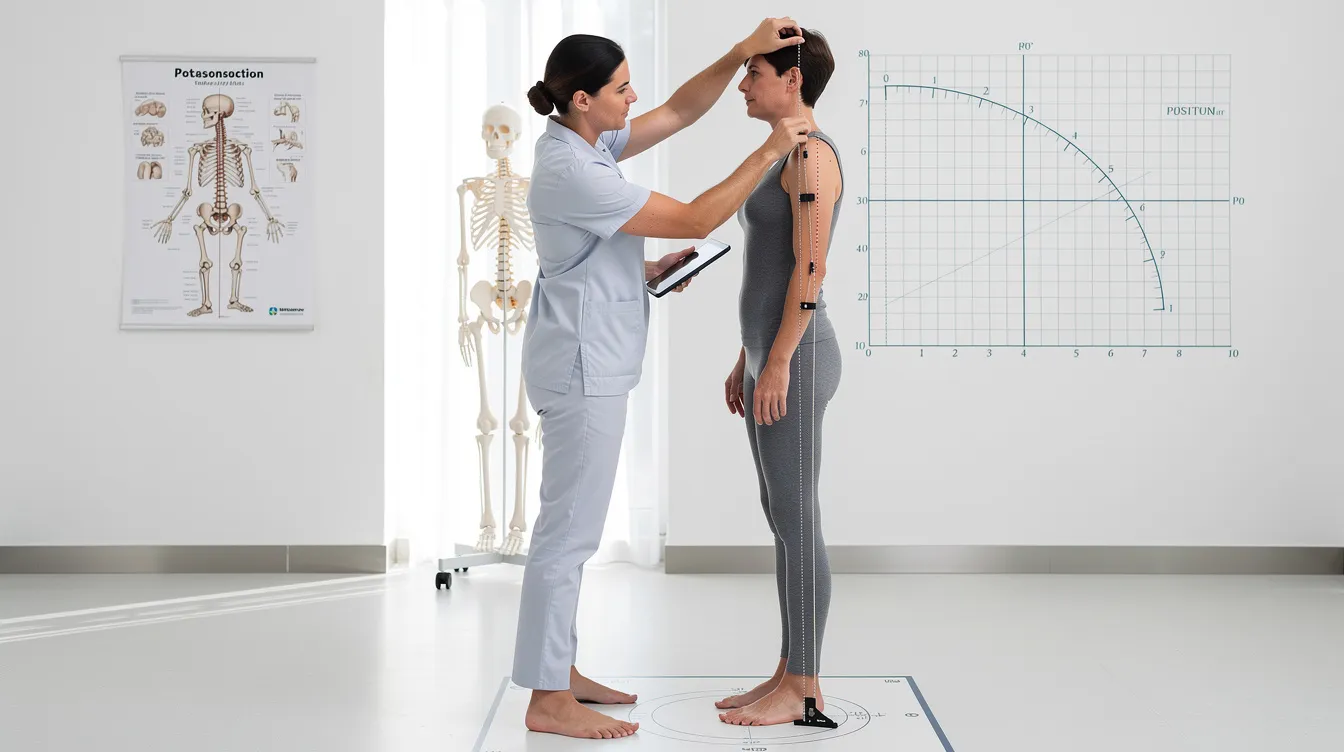
Physical examination and biomechanical assessment: This includes standing and seated posture analysis, range of motion testing, joint play assessment, and identification of muscular imbalances. We evaluate forward head posture, pelvic tilt, spinal alignment irregularities, and movement compensation patterns. Chiropractors use specialized assessments to tailor treatment plans to each patient’s specific structural profile.
Neurological testing: For patients presenting with symptoms like sciatica, radiating arm pain, or numbness, we conduct reflex testing and sensory deficit evaluation to identify nerve involvement. This distinguishes between muscular neck pain and cervical radiculopathy, or between general low back stiffness and nerve root compression – conditions that require very different treatment approaches.
Goal-setting discussion: Well-designed personalized plans should focus on individual goals and responses over time. We discuss what you want to achieve – whether that is immediate relief from acute pain, improved mobility for daily activities, managing chronic conditions like scoliosis, or long term wellness maintenance. Your wellness goals shape the entire care plan.

Treatment Plan Customisation Factors
Several key factors determine how your personalized plan differs from what a cookie-cutter clinic would offer:
|
Factor |
Cookie-Cutter Approach |
Personalised Approach |
|---|---|---|
|
Treatment Techniques |
Same adjustment for all back pain |
Specific techniques based on condition severity, body type, and response |
|
Session Frequency |
Standard 3x per week schedule |
Adjusted based on healing process and lifestyle constraints |
|
Exercise Prescription |
Generic stretching routine |
Tailored exercise regimens for specific muscle imbalances and work postures |
|
Lifestyle Advice |
General ergonomic tips |
Specific modifications for individual work setup and daily habits |
|
Progress Tracking |
Minimal reassessment |
Regular pain scale, functional, and postural monitoring |
|
Adjunct Therapies |
Not typically varied |
Soft tissue therapy, trigger point therapy, or complementary therapies selected per need |
Treatment plans can evolve based on patient progress and feedback – a critical distinction from fixed package protocols. The Chiropractic Association of Singapore encourages regular reviews of treatment plans, and our approach aligns with this standard.
Ongoing Plan Adjustments
Ongoing reassessment is important in personalized care for adjusting treatment based on patient progress. We regularly track pain scales, functional measures, posture changes, and movement improvements. This ensures care remains personalized as your condition evolves.
Treatment plans adapt to significant life changes – a new job with different physical demands, pregnancy, the natural processes of aging, or a change in activity level. For example, a patient whose sciatica has resolved may transition from pain-focused treatment to preventative maintenance and strengthening. Preventative maintenance is a key component of customized chiropractic plans, helping patients maintain their gains and prevent recurrence.
This adaptability connects to one of the most important findings in the research: early intervention with chiropractic care – within 30 days of symptom onset – significantly reduces the risk of chronicity and dependence on pain medication. When your plan adjusts quickly to new symptoms or changes, problems are addressed before they become entrenched.
Common Challenges and Solutions in Personalised Care
Many patients in Singapore have legitimate concerns about choosing personalised care over standard treatment packages. Here are the most common questions we hear and honest answers.
Concern: Personalised Care Takes Too Much Time
Solution: The initial assessment is thorough – typically longer than a first visit at a high-volume clinic – but this investment pays off immediately. Because we identify the actual cause of your pain from the start, subsequent visits are efficient and targeted. You avoid the trial-and-error cycle where generic treatments are attempted, fail, and are replaced by other generic treatments. Research from a Changi General Hospital study found that patients who received properly assessed treatment for neck pain achieved significant improvement in approximately 4.3 sessions – efficiency that comes from accuracy, not shortcuts.
Concern: Custom Plans Cost More Than Standard Treatment
Solution: Personalised care is more cost-effective over time. A longitudinal US study comparing chiropractic care to standard medical care for recurring musculoskeletal pain found that chiropractic patients had average episode costs of $1,086 compared to $1,996 for non-chiropractic patients over six months – with similar clinical outcomes. Customized chiropractic care reduces the need for imaging, medication, and downstream interventions. Fewer sessions are needed when treatment is targeted correctly from the start, and chiropractic care may provide short-term relief but is part of a broader management plan that reduces long-term healthcare spending.
Additionally, research published in JAMA found that chiropractic coverage was associated with lower utilisation of radiographs, surgeries, and hospitalisations – significant benefits that accumulate over time.
Concern: Difficulty Fitting Treatment Into Busy Singapore Schedule
Solution: Customised plans work around individual schedules rather than forcing patients into rigid visit frequencies. Treatment includes home exercises and lifestyle modifications that busy professionals can integrate into their workday – from desk stretches to sleep position adjustments. Understanding how often to see a chiropractor depends entirely on your condition and progress, not a one-size-fits-all calendar. Many patients find that a well-designed personalized plan requires fewer total visits than a standard package because each session is precisely targeted. Chiropractic care enhances the body’s natural healing mechanisms, meaning more recovery happens between visits when the right foundation is set.
Conclusion and Next Steps
The difference between cookie-cutter and personalised chiropractic care comes down to whether your treatment addresses you or addresses a generic category of pain. In Singapore, where urban lifestyle habits, occupational demands, and individual health histories create vastly different spinal health challenges, a customized chiropractic care plan built on thorough assessment and ongoing adaptation delivers faster pain relief, better long-term outcomes, and greater overall well being than any standardised protocol.
Patients report feeling more energized after chiropractic adjustments, and regular chiropractic adjustments improve sleep quality and energy levels – but these results depend on receiving the right care for your specific condition. Patients also report improved mental clarity after chiropractic adjustments when spinal misalignments – which can interfere with brain-body communication – are properly addressed. Chiropractic adjustments can strengthen the immune response, and a well-aligned spine supports optimal immune response, contributing to overall health far beyond pain management.
Millions suffer from chronic pain due to slipped discs or sciatica, and chiropractic care can improve range of motion and reduce pain – but only when the approach matches the individual. Spinal misalignments can affect heart function, making proper assessment and correction a matter of broader well being, not just comfort.
Your next steps:
-
Book a consultation for a comprehensive personal assessment at Everton Chiropractic
-
Prepare your health history – note past injuries, current medications, work setup, and daily habits
-
Identify your specific goals – whether that is pain relief, posture correction, improved mobility, or long term wellness
-
Ask questions – about techniques, expected timeline, and how progress will be measured
For related reading, explore our guides on correcting posture, managing neck pain and headaches, and strategies for stress relief through spinal health. Chiropractic practice in Singapore is considered a complementary and alternative therapy without statutory regulation, so always verify your chiropractor’s credentials and training before beginning your chiropractic journey.

Frequently Asked Questions
How long does it take to create a personalised treatment plan?
The initial assessment typically takes longer than a standard first visit – usually 45 minutes to an hour – because it includes a complete health history review, physical examination, postural analysis, and goal-setting discussion. Your personalized plan is then developed based on these findings and discussed with you before any treatment begins. This thorough process ensures effective treatment from the first adjustment.
Will my treatment plan change as I improve?
Yes. Treatment plans can evolve based on patient progress and feedback. We regularly reassess using pain scales, functional measures, and postural tracking to ensure your care plan continues to match where you are in your healing process. As acute pain resolves, the focus typically shifts toward strengthening, posture correction, and preventative maintenance.
Can personalised care help with chronic pain and conditions like scoliosis?
Personalised care is especially important for managing chronic conditions like scoliosis, where curve type, severity (measured by Cobb angle), patient age, and progression risk all vary dramatically. While chiropractic manipulation alone is not sufficient to halt curve progression – particularly in adolescents – a multimodal approach combining manual therapy, tailored exercise regimens, postural re-education, and lifestyle modifications can manage symptoms and improve quality of life. Customised plans often incorporate nutritional guidance and rehabilitative exercises alongside adjustments for comprehensive scoliosis management.
How does Everton Chiropractic track progress in personalised plans?
We use a combination of objective measurements – including pain scales (VAS), functional disability indices (ODI for back, NDI for neck), postural photographs, and range of motion testing – alongside your subjective feedback about how you feel in daily life. These assessments occur at regular intervals, allowing us to adjust techniques, frequency, and exercises based on measurable progress rather than assumption.
Is personalised chiropractic care suitable for all ages?
Yes. Personalised care is inherently adaptable to any age. For younger patients, treatment may focus on posture correction and preventing chronic pain development. For aging patients, customised plans account for degenerative changes like facet joint arthritis or reduced bone density, using gentler techniques and emphasising joint mobility, strength training, and maintenance. The personalised approach ensures that treatment intensity and techniques match the patient’s age-related needs and promote healing safely.
What makes Singapore patients’ needs different from other countries?
Singapore’s unique combination of factors creates distinctive chiropractic needs. The predominantly desk-based economy, long working hours, reliance on public transport (carrying heavy bags on crowded MRT), year-round air conditioning causing muscle tension, tropical climate affecting hydration and muscle tone, and cultural habits like floor sitting all contribute to specific spinal stress patterns. A population-based survey found a 23% prevalence of neck pain among Singapore adults, with female gender as a significant risk factor. These Singapore-specific lifestyle habits mean that chiropractic care must be customised not just to the individual, but to the environment they live and work in daily – something a generic protocol developed elsewhere simply cannot address.