
Chronic pain is defined as pain lasting three months or longer, and it affects over 100 million Americans, making it one of the most widespread health challenges in the country. That scale means most people living with it have tried something, whether medication, rest, or physical therapy, without finding lasting relief. The good news is that chiropractic care offers a non-drug, non-surgical path that addresses the mechanical root causes of pain rather than masking symptoms. When you need to find a chiropractor for long-term pain, the goal is not just fewer bad days. It is restoring how your body moves and functions over time.
What to look for when choosing a chiropractor for long-term pain
The right chiropractor for chronic pain does more than crack your back and send you home. They diagnose why your pain persists, then build a care plan around that specific answer.
Thorough initial evaluation
A quality long-term pain management chiropractor starts with a detailed assessment, not a quick palpation. Effective clinics use objective diagnostics like Motion Study X-Rays, which capture spinal instability during movement. Standard imaging misses this entirely. That distinction matters because pain that shows up during motion often has no visible cause on a static X-ray.

Root cause focus, not symptom relief
Chronic pain rarely comes from one source. Patients often carry multiple layers of compensation, meaning one joint or muscle group overworks to protect another that has shut down. A chiropractor who only treats where it hurts will miss the underlying pattern. You want a practitioner who maps those compensations and unwinds them systematically.
Personalized, adjustable care plans
No two chronic pain cases are identical. A good chiropractor builds a plan around your lifestyle, your goals, and your specific dysfunction pattern. They also revise that plan as your body responds. If your care plan looks identical to every other patient’s, that is a warning sign.
Here is what to look for when evaluating a clinic:
- Diagnostic tools: Does the clinic use objective testing beyond a basic physical exam?
- Treatment philosophy: Does the chiropractor explain root causes, or only describe symptoms?
- Plan specificity: Is your care plan tailored to your history and goals?
- Progress tracking: Does the clinic schedule reassessments to measure functional improvement?
- Communication style: Does the chiropractor answer your questions directly and clearly?
Pro Tip: Before your first appointment, ask the clinic how they measure progress. A clear answer about functional benchmarks, not just pain scores, signals a results-focused practice.
What does the diagnostic and treatment process look like?
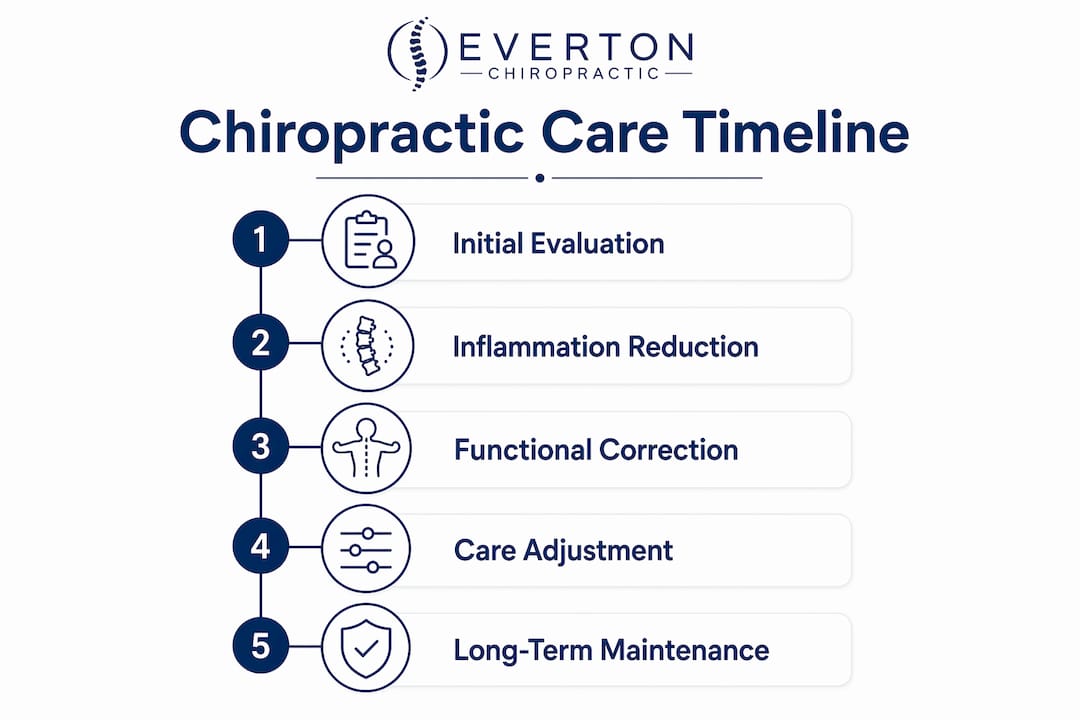
Understanding the process helps you set realistic expectations and stay committed through the early stages when results are still building.
Assessment methods
A thorough initial assessment for chronic pain typically includes muscle testing, spinal alignment analysis, and soft tissue evaluation. Muscle testing identifies which muscles have stopped firing correctly, often because the nervous system has learned to protect an injured area. Spinal alignment analysis reveals postural deviations that place uneven load on joints and discs. Soft tissue evaluation checks for adhesions, areas where muscle fibers have stuck together and restricted movement.
Treatment modalities
Two of the most effective techniques for chronic pain are the Gonstead Technique and Active Release Technique. The Gonstead Technique combined with Active Release Technique addresses both vertebral misalignments and soft tissue adhesions simultaneously. The Gonstead Technique uses precise, specific spinal adjustments based on X-ray analysis. Active Release Technique breaks down scar tissue and adhesions in muscles, tendons, and nerves. Together, they treat both the structural and soft tissue contributors to chronic pain. Neuromuscular re-education is often added to retrain the nervous system to use muscles correctly after structural corrections are made.
Treatment timelines
Knowing how long care takes prevents the most common mistake: stopping too soon.
- Weeks 1–4: Initial adjustments begin correcting alignment and reducing acute inflammation. Most patients notice reduced intensity of symptoms.
- Weeks 4–8: Most patients feel measurable improvement within this window. Functional gains like better posture and easier movement become noticeable.
- Weeks 8–12: Complex cases require this extended phase to address deeper compensation patterns. Structural changes consolidate during this period.
- Months 3–6: Significant progress in chronic cases typically requires consistent care over 3–6 months. This phase focuses on maintaining corrections and building resilience.
| Phase | Timeline | Primary Goal |
|---|---|---|
| Initial correction | Weeks 1–4 | Reduce inflammation, begin alignment |
| Active recovery | Weeks 4–8 | Restore function, reduce symptoms |
| Structural consolidation | Weeks 8–12 | Address compensation layers |
| Long-term maintenance | Months 3–6 | Prevent recurrence, sustain mobility |
Simple cases may resolve in 4–6 visits, but complex chronic pain typically requires the full 8–12 week structured program before lasting results take hold.
How can you actively support your long-term pain management?
Chiropractic care works best as a partnership. What you do between appointments shapes how quickly and completely you recover.
Consistency is the single most important factor. Chiropractic improvements accumulate over time, and stopping care early before the body has fully adapted is the most common reason patients experience flare-ups and setbacks. Think of it like physical training: skipping sessions regularly means the gains never compound.
Beyond attendance, your daily habits either support or undermine your care. Posture correction during seated work reduces the mechanical stress your chiropractor is working to correct. Movement breaks protect spinal health by preventing the stiffness that builds during long periods of stillness. Ergonomic adjustments to your workstation, chair height, monitor position, and keyboard placement, reduce the repetitive strain that feeds chronic pain cycles.
Tracking your symptoms between visits gives your chiropractor better data. Note when pain spikes, what triggered it, and what relieved it. That pattern tells a story about which activities or postures are still loading the injured structures.
- Attend every scheduled visit, especially in the first 8 weeks when corrections are most fragile.
- Practice posture cues your chiropractor teaches, particularly during seated work.
- Take movement breaks every 45–60 minutes to prevent spinal stiffness from accumulating.
- Keep a simple symptom log to share at each appointment.
- Avoid stopping care the moment pain decreases. Pain relief precedes structural correction.
Pro Tip: Set a phone reminder every hour during your workday to stand, walk for two minutes, and reset your posture. This one habit reduces the mechanical load that undoes chiropractic corrections.
How does chiropractic care support your health beyond pain relief?
The benefits of chiropractic care for ongoing pain extend well past reduced discomfort. Patients who complete structured care programs consistently report improved joint mobility, better muscle function, and greater ease in daily movement. These are not side effects. They are the direct result of correcting the structural and neurological patterns that caused pain in the first place.
Preventing future flare-ups is one of the most underappreciated outcomes of long-term chiropractic care. Cumulative chiropractic care leads to structural and functional improvements that reduce the likelihood of recurring episodes. The body becomes more resilient because the underlying dysfunction has been addressed, not just suppressed.
Chiropractic care is safe for long-term use with no long-term side effects, which stands in sharp contrast to chronic medication use for pain management. That safety profile makes it a sustainable strategy for people who want to stay active and mobile as they age, not just manage symptoms year after year.
“Chiropractic care is not just about treating pain. It is about restoring the body’s ability to move freely, function well, and resist the physical decline that most people accept as inevitable. When care is consistent and targeted, patients do not just feel better. They move better, sleep better, and live with more confidence in their bodies.”
This broader view of health aligns with what Evertonchiropractic calls its core mission: challenging the idea that physical decline is a normal part of aging. Improving spinal mobility safely is not just a treatment goal. It is a long-term investment in quality of life.
Key Takeaways
Finding the right chiropractor for chronic pain requires prioritizing root-cause diagnosis, personalized care plans, and patient consistency over the full treatment timeline.
| Point | Details |
|---|---|
| Define chronic pain correctly | Pain lasting 3+ months signals a systemic pattern, not a single injury to treat once. |
| Prioritize diagnostic depth | Clinics using Motion Study X-Rays detect spinal instability that standard imaging misses. |
| Expect a structured timeline | Most complex cases require 8–12 weeks of consistent care before lasting results stabilize. |
| Stay consistent between visits | Stopping care early is the leading cause of flare-ups and lost progress. |
| Benefits extend beyond pain | Corrected alignment improves joint mobility, muscle function, and long-term physical resilience. |
What I have learned about finding a chiropractor who actually helps
People come to chiropractic care expecting a fix in two or three visits. That expectation is the biggest obstacle to actually getting better. Chronic pain took months or years to develop through layers of compensation and structural change. Unwinding it takes time, and the practitioners who tell you otherwise are not being straight with you.
The chiropractors who produce real long-term results share one trait: they explain the “why” behind your pain before they touch you. When you understand that your hip pain is partly driven by a shutdown in your opposite glute, you stop expecting a single adjustment to solve it. You become a participant in your own recovery instead of a passive recipient of treatment.
Open communication matters more than most patients realize. If your chiropractor cannot explain your diagnosis in plain language, or if they cannot tell you what success looks like at week eight, keep looking. The best practitioners set clear milestones and adjust the plan when those milestones are not met. That kind of accountability is what separates a long-term care relationship from a series of disconnected appointments.
Commitment is not optional. The patients I have seen get the best results are the ones who show up consistently, follow through on the habits their chiropractor recommends, and resist the temptation to stop when the pain first drops. Pain relief is not the finish line. Structural correction is. And that takes longer.
— Aman
Evertonchiropractic: personalized care for lasting pain relief
Chronic pain deserves more than temporary relief. Evertonchiropractic, led by Dr. Richard, uses advanced diagnostics and personalized treatment plans to address the root causes of long-term pain, not just the symptoms. Every care plan is built around your specific dysfunction patterns, lifestyle, and mobility goals.

Whether you are dealing with lower back pain, sciatica, or years of unresolved musculoskeletal issues, Evertonchiropractic’s evidence-informed approach targets the cause. Patients receive structured care designed to restore movement and prevent recurring flare-ups over time. For nerve-related chronic pain, Evertonchiropractic’s targeted nerve pain solutions address the source directly. To understand the full scope of what chiropractic can do for chronic conditions, the chronic pain care guide is a strong starting point.
FAQ
What is chronic pain and why does chiropractic help?
Chronic pain is pain lasting three months or longer that disrupts mobility, sleep, and daily function. Chiropractic care addresses the mechanical and structural causes of that pain rather than suppressing symptoms with medication.
How many visits does it take to see results?
Simple cases may improve within 4–6 visits, while complex chronic pain typically requires 8–12 weeks of structured care. Most patients notice meaningful functional improvement within the first 4–8 weeks.
What questions should I ask a chiropractor before starting care?
Ask how they diagnose root causes, what diagnostic tools they use, how they measure progress, and what your care plan timeline looks like. A chiropractor who answers these clearly is worth your time.
Is chiropractic care safe for long-term use?
Chiropractic care carries no long-term side effects and is considered safe for ongoing musculoskeletal pain management. That safety profile makes it a practical alternative to long-term medication use.
How do I know if I am making progress?
Progress shows up as improved mobility, reduced pain frequency, and better function in daily activities, not just lower pain scores. Your chiropractor should reassess these functional markers at regular intervals throughout your care plan.
Recommended
- How Chiropractic Addresses Chronic Pain: 2026 Guide – Everton Chiropractic
- The Ultimate Guide to Neck and Shoulder Pain Relief in Singapore: How Chiropractic Care Offers a Long-Term Solution – Everton Chiropractic
- Stop Relying on Painkillers: The Chiropractic Solution for Chronic Migraines – Everton Chiropractic